Midsummerr
    ListenFeaturesPricingAboutBlog
    Sign InGet Started
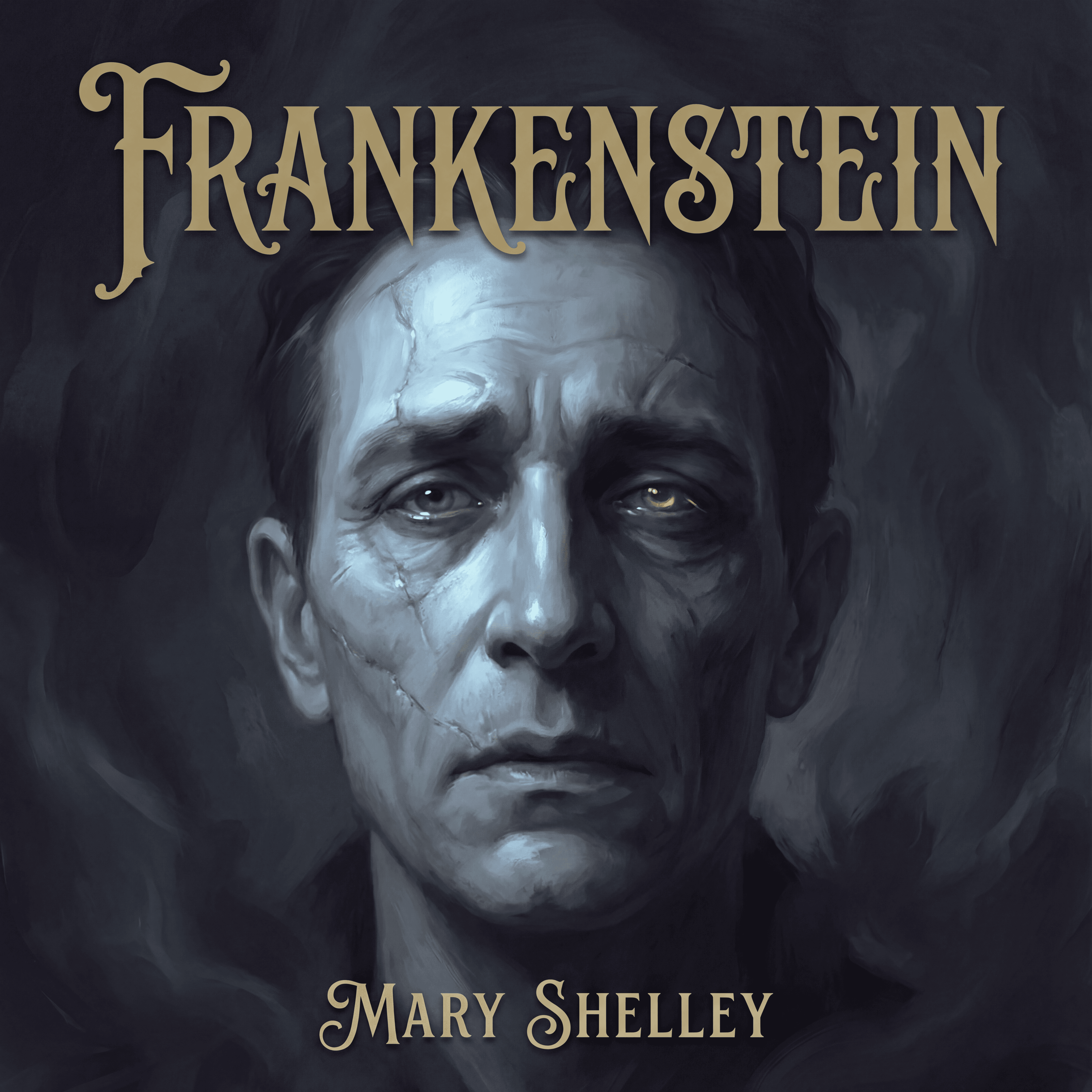
    Frankenstein

    Frankenstein

    by Mary Shelley

    27 chapters•7h 4m
    Frankenstein

    Frankenstein

    by Mary Shelley

    27 chapters7h 4m

    Mary Shelley's gothic masterpiece brought to vivid life. Feel Victor's obsession, the Creature's anguish, and the frozen terror of the Arctic. Haunting performances, atmospheric soundscapes, and a score that chills to the bone.

    Listen on Spotify

    Chapters

    27 episodes

    Beyond the audiobook

    Fan Trivia & Literary Deep Dives

    Discover the fascinating truths about Mary Shelley's masterpiece—from the nightmare that started it all to the shocking differences between book and film.

    A Nightmare Sparked Modern Science Fiction

    Mary Shelley dreamed of "the hideous progeny of my unhallowed arts" during a fever dream in 1816. That nightmare birthed the entire sci-fi genre at age 18. She was staying at Villa Diodati in Switzerland with Lord Byron and Percy Shelley during an unusually dark, cold summer. When Byron challenged his guests to write terrifying tales, Mary struggled until her haunting dream gave her the perfect story—one that would define literary horror and sci-fi for generations.

    The Creature Can Speak Seven Languages

    Unlike Hollywood's grunting monster, the Creature in the novel is erudite and multilingual, having learned from observing human life and reading classical texts. He acquires language by secretly listening to the De Lacey family, absorbing their speech and grammar. Through their conversations and abandoned books, he learns French, German, Italian, and more. His ability to speak eloquently and philosophize makes his suffering even more tragic—he's capable of reason and emotion, yet society rejects him solely for his appearance.

    Paradise Lost Holds the Key

    The Creature discovers Milton's "Paradise Lost" and identifies with Satan. The novel uses this classical text to explore themes of creation, abandonment, and revenge. When he finds the book in Victor's discarded clothes, he sees his own tragic story reflected in Satan's fall from grace. Both are powerful beings cast out by their creators, cursed to wander a hostile world. This literary parallel transforms the Creature's pain into philosophical understanding—he realizes he's not alone in his suffering, but this realization also fuels his desire for justice and revenge against his maker.

    Victor Never Actually Names His Creation

    The creature is referred to as "it," "him," or "the Creature"—but never given a true name. This namelessness is central to his isolation and pain. By denying him a name, Victor strips him of identity and humanity. The Creature himself desperately seeks recognition—he even offers to accept a companion of his own kind or begs Victor to publicly acknowledge him. A name would be an act of acceptance, a statement that he belongs to the human world. Instead, his lack of a name mirrors his existential void: he exists outside society, unnamed and unrecognized, which deepens the tragedy of his longing for connection.

    The Story Behind the Story

    1816

    Lake Geneva Ghost Story Challenge

    Mary, Percy Shelley, Lord Byron, and Claire Clairmont compete to write terrifying tales during a dark summer. Mary wins with Frankenstein.

    1818

    Anonymous Publication Sparks Rumors

    Published without Mary's name; critics immediately assumed Percy wrote it. The literary world was stunned when they discovered the true author was a young woman.

    1831

    13-Year Revision Deepens Themes

    Mary rewrites the novel, emphasizing Victor's moral weakness and the Creature's philosophical sophistication. This version is the one taught in most schools today.

    Hollywood vs. The Actual Novel

    For over a century, Hollywood has reimagined Frankenstein for the screen—but often at the expense of Mary Shelley's original vision. Here's what the movies got spectacularly wrong:

    Hollywood version

    "It's alive!" exclamation

    What the book actually says

    Never said in the novel—pure Hollywood invention from the 1931 film.

    Hollywood version

    Green, flat-headed monster

    What the book actually says

    The Creature is described as eerily beautiful initially, with perfect proportions that horrify Victor.

    Hollywood version

    Mad scientist cackle

    What the book actually says

    Victor is tormented and guilt-ridden, not comedically evil. He's a tragic figure.

    Hollywood version

    Creature lacks intelligence

    What the book actually says

    Book-Creature is eloquent, philosophical, and reads classic literature. He's lonely, not mindless.

    Hollywood version

    Creature is purely evil and violent

    What the book actually says

    The Creature begins innocent and kind, only turning violent after repeated human rejection. He's a victim of circumstance.

    Hollywood version

    Immediate monster rampage

    What the book actually says

    The novel spans years. The Creature first tries to integrate into society, learns language, and only seeks revenge after being refused companionship.

    Timeless Themes That Still Haunt Us

    Why Frankenstein remains relevant 200+ years later:

    Creation Without Responsibility

    Victor abandons the Creature immediately after animating him, never raising or educating him. The novel asks: Is the creator responsible for the monster they create? This echoes modern debates about AI, technology, and parenting.

    The Power of Names and Identity

    Being unnamed, the Creature exists without identity or place in society. He begs Victor for companionship and a mate, seeking recognition as a being worth knowing. A name would be an act of acceptance and humanity.

    Nature vs. Ambition

    Victor's unchecked ambition destroys his family and life. The novel warns against pursuing knowledge without considering the consequences. Progress without ethics leads to catastrophe.

    Isolation and Empathy

    The Creature's descent into violence stems from humanity's rejection. He becomes monstrous because he's treated as a monster—a chilling commentary on society and how we create monsters through cruelty.

    Parental Abandonment and Trauma

    Victor's failure as a "parent" mirrors real family abandonment and childhood trauma. The Creature's lifelong longing for acceptance stems from being discarded at birth. This psychological dimension transforms the horror from supernatural to deeply human.

    The Danger of Playing God

    Victor's transgression isn't just scientific—it's spiritual. By creating life, he assumes powers reserved for nature and divinity. The novel explores the hubris of believing humans can control or perfect creation without divine wisdom or moral restraint.

    Love and Companionship as Humanity's Core Need

    The Creature is intelligent, articulate, and capable of deep emotion. His greatest pain isn't physical—it's the absence of love. He begs for a companion, a family, recognition. The novel suggests that connection, not intelligence, makes us human.

    The Victim Becomes the Perpetrator

    The Creature starts innocent and gentle, only turning violent after being hunted and tortured by society. Victor is the original villain whose inaction births revenge. The novel complicates morality—there are no pure villains, only damaged people harming each other.

    Frankenstein 101: Your Questions Answered

    Who wrote Frankenstein?
    Mary Wollstonecraft Shelley (1797–1851). She conceived the story at age 18 during the famous 1816 Lake Geneva gathering with Lord Byron and her future husband Percy Shelley.
    What is the full title?
    Frankenstein; or, The Modern Prometheus. The subtitle references the Greek Titan who stole fire (knowledge) for humanity and was eternally punished—mirroring Victor's hubris.
    Why is the Creature never named?
    The lack of a name is intentional. It emphasizes the Creature's existential isolation and his desperate quest for identity and acceptance in a society that rejects him.
    Is the book scarier than the movies?
    Psychologically, yes. The novel explores themes of guilt, abandonment, and rejection that are far more disturbing than any monster movie. The horror is internal.
    How long is Frankenstein?
    The original 1818 edition is roughly 280 pages. It reads quickly despite its philosophical depth—perfect for immersive audiobook listening.

    Letter 1

    Frankenstein

    0:00/0:00